Why XAUUSD Dropped Today (19 March 2026): The “Inflation Shock” Tape Beat the “Safe Haven” Narrative
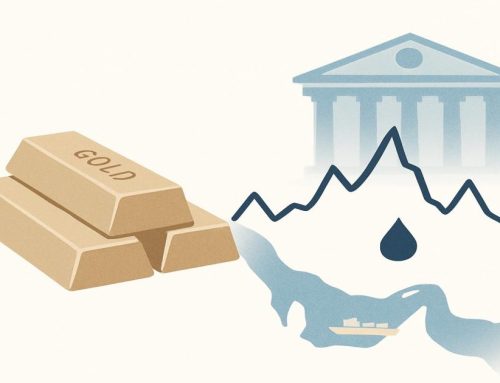
Gold (XAUUSD) fell today even though geopolitical tension stayed elevated. That surprises many retail traders because they expect the simple equation: war risk = gold up.
But today’s market wasn’t trading “fear” in isolation. It was trading inflation risk—specifically an energy-driven inflation shock that pushed investors to reprice the path of interest rates. When that happens, gold can struggle because it doesn’t yield income and is priced in dollars.
Reuters described gold extending a multi-session losing streak, with the key explanation being higher-for-longer rate expectations tied to surging energy prices from escalating conflict headlines.
What changed today (the 3 drivers that mattered)
1) Oil shock → inflation fears → “higher rates for longer”
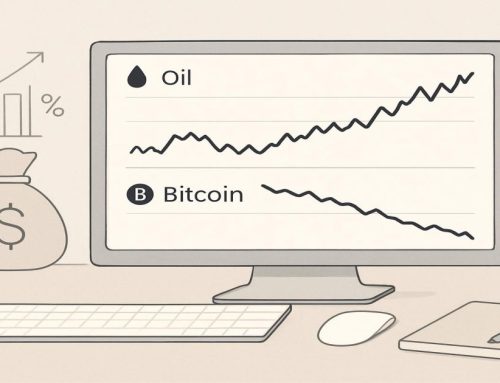
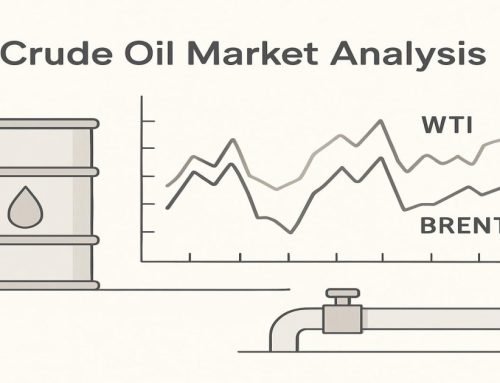
Today’s escalation narrative hit energy markets hard. Reporting emphasized attacks and disruption risk around regional energy infrastructure, driving a sharp jump in oil prices and pushing the market toward a more hawkish rate outlook.
That matters because the moment markets believe inflation could re-accelerate, they start pricing:
-
fewer rate cuts, or
-
even renewed hikes (especially outside the U.S.)
This “inflation shock” regime is typically not friendly for gold in the short run.
2) Stronger USD and higher yields = headwind for gold
Barron’s noted gold fell as the U.S. dollar strengthened and expectations for near-term cuts faded after the Fed held rates steady and highlighted inflation risks linked to rising energy prices.
This is the core mechanics:
-
USD up → gold becomes more expensive in other currencies → demand can soften
-
yields/real yields up → opportunity cost of holding non-yielding gold rises
3) Positioning unwind after a big run
Gold has been highly crowded on the long side after a strong multi-month move. When the macro filter flips (USD + yields bid), markets often get a positioning flush—a fast selloff that looks “too big” relative to the headline. Barron’s framed today as a “test moment” as gold repriced into the new rates narrative.
The institutional interpretation (simple, beginner-friendly)
Think of today as a tug-of-war:
-
Safe-haven bid (geopolitics) → supports gold
-
Inflation shock bid (oil + central bank reaction) → supports USD/yields → pressures gold
Today, the second force won.
Reuters captured that broader cross-asset pattern: markets pricing a protracted energy shock, higher yields, equity weakness, and pressure across assets—including gold.
What to watch next (the checklist that decides whether this drop continues)
A) USD direction (does the “stress bid” persist?)
If the dollar keeps strengthening, gold rallies often become fragile bounces rather than trend reversals.
B) Yields (especially real yields)
If yields stay elevated because the market is pricing sticky inflation via energy, gold can remain under pressure.
C) Oil: spike vs sustained
The key is not whether oil spiked intraday—it’s whether the market starts believing disruption is durable. That “duration trade” is what would keep inflation concerns alive and keep gold capped.
The retail trap today (and how to avoid it)
Trap #1: Buying gold just because the news is scary
If USD + yields are rising, gold can drop even during war headlines. Today was a clean example.
Trap #2: Chasing the first reversal candle
On shock days, the first bounce is often short-covering. Institutions wait for:
-
acceptance (close + hold above a key level), and
-
retest confirmation
CRT-SEM “safe mode” rules (beginner protection)
If you’re trading XAUUSD (not investing long-term), use this safety gate:
-
NO TRADE if USD and yields are still trending against your direction.
-
Only consider entries after break + retest + hold or sweep + reclaim + hold (confirmation, not prediction).
-
Reduce size on headline regimes (spreads and whipsaws expand).
Bottom line
XAUUSD dropped today (19/3/2026) because the market treated the geopolitics primarily as an energy inflation shock, not a pure “fear trade.” That pushed USD and yields higher and triggered a positioning unwind—both of which are classic short-term headwinds for gold.