Why This Tiny Waterway Can Shake Oil, Gold (XAUUSD), and Global Markets
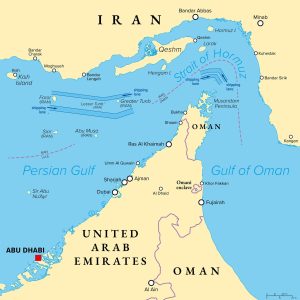
When traders talk about a “Strait of Hormuz Shock,” they mean sudden market volatility triggered by geopolitical tension or disruption around the Strait of Hormuz — one of the most critical oil chokepoints in the world.
Even rumors of closure or conflict in this narrow passage can send oil, gold (XAUUSD), the U.S. dollar, and stock markets into sharp moves within minutes.
This article explains what it is, why it matters, and how it affects traders.
1. Where Is the Strait of Hormuz — and Why Is It So Important?
The Strait of Hormuz is a narrow waterway connecting the Persian Gulf to the Arabian Sea. It sits between Iran and Oman, and at its narrowest point it is only about 33 km (21 miles) wide.
Why it matters:
-
A significant portion of global oil exports passes through it daily.
-
Major producers like Saudi Arabia, UAE, Kuwait, Iraq, and Iran ship oil through this route.
-
LNG (liquefied natural gas) shipments also depend on it.
In simple terms:
If Hormuz is disrupted, global energy supply is threatened.
That threat alone is enough to move markets.
The Strait of Hormuz is one of the most systemically important energy chokepoints in the global economy. A “Strait of Hormuz Shock” refers to a geopolitical escalation or credible disruption risk that materially alters energy price expectations and, through them, financial conditions.
This is not merely a regional security event. It is a macro transmission channel with direct implications for inflation expectations, interest rate pricing, currency dynamics, and cross-asset volatility.
1. Strategic Importance in the Global Energy System
The Strait connects the Persian Gulf to the Arabian Sea and functions as the primary export corridor for major Gulf producers. A substantial share of globally traded crude oil and LNG transits through this narrow passage.
Key characteristics that amplify systemic risk:
-
Limited short-term alternative routing capacity
-
High concentration of export dependency
-
Sensitivity of shipping insurance and freight rates
-
Immediate futures-market repricing mechanisms
The Strait is therefore not only a physical bottleneck; it is a pricing fulcrum for global energy markets.
2. Defining a Strait of Hormuz Shock
A Hormuz Shock occurs when markets reassess the probability of:
-
Physical disruption to oil or LNG flows
-
Military escalation between regional actors
-
Direct targeting of commercial vessels
-
Formal or informal closure threats
The shock does not require an actual blockade. Financial markets price probability, not only realized disruption.
The result is a rapid expansion in the geopolitical risk premium embedded in energy contracts.
3. Transmission Mechanism: From Energy to Financial Conditions
The macro chain unfolds in identifiable stages:
Stage 1: Energy Risk Premium Expansion
Crude oil futures reprice upward to reflect supply uncertainty. The magnitude depends on spare capacity, inventories, and forward curve positioning.
Stage 2: Inflation Expectations Adjustment
Higher oil prices feed directly into headline inflation expectations. Energy remains a core driver of short-term CPI dynamics in advanced and emerging economies.
Stage 3: Interest Rate Repricing
Bond markets adjust term premia and rate expectations. If energy-driven inflation is perceived as persistent, markets may:
-
Delay anticipated rate cuts
-
Reprice the terminal rate higher
-
Push real yields upward
Stage 4: Currency Realignment
The U.S. dollar often strengthens in early shock phases due to:
-
Safe-haven flows
-
Yield differentials
-
Global liquidity preference
Stage 5: Precious Metals Volatility
Gold (XAUUSD) experiences a dual-force dynamic:
-
Safe-haven demand supports prices
-
Rising real yields and USD strength can pressure prices
The outcome is typically elevated two-sided volatility rather than a clean directional move.
4. Cross-Asset Implications
Energy Equities
Integrated oil producers and upstream firms may benefit from elevated prices, though geopolitical risk can compress multiples if escalation threatens infrastructure.
Sovereign Bonds
Oil-importing economies may experience inflation-driven yield pressure. Oil exporters may see improved fiscal positioning.
Emerging Markets
Energy importers face deterioration in trade balances and currency pressure. Exporters benefit, but geopolitical alignment matters.
Equity Indices
Broad indices initially reprice risk. Sector rotation favors energy and defense, while consumer and transport sectors may underperform.
5. Probability vs. Realized Disruption
Historically, markets tend to overprice immediate worst-case outcomes and then mean-revert unless physical flows are materially impaired.
Scenarios:
Short-lived escalation
→ Oil spike retraces
→ Inflation impulse fades
→ Gold stabilizes
Sustained disruption
→ Structural inflation risk
→ Higher real yields
→ Persistent commodity strength
→ Prolonged volatility across FX and rates
Institutional investors monitor:
-
Shipping throughput data
-
OPEC spare capacity
-
U.S. strategic reserves
-
Forward curve structure (contango/backwardation)
6. Structural Constraints on Full Closure
A prolonged, complete closure would impose severe economic damage on multiple regional stakeholders, including producers dependent on export revenue.
Therefore, most Hormuz shocks manifest as:
-
Risk premium expansions
-
Insurance and freight repricing
-
Tactical disruptions
-
Geopolitical signaling
Markets tend to differentiate between symbolic escalation and operational impairment.
7. Implications for Gold (XAUUSD)
Gold’s response depends on the dominant macro channel:
If geopolitical fear dominates → gold rallies.
If inflation-driven yield repricing dominates → gold may initially weaken.
If real yields fall despite inflation fears → gold strengthens structurally.
Institutional positioning often shifts rapidly as real rate expectations recalibrate.
Thus, Hormuz shocks tend to generate:
-
Elevated implied volatility
-
Wider intraday ranges
-
Liquidity-driven stop cascades
8. Policy Sensitivity
Central bank reaction functions matter.
If policymakers treat energy inflation as transitory, financial conditions may stabilize.
If they signal policy tightening to contain second-round effects, risk assets can face broader pressure.
Monetary credibility is therefore a key variable in determining whether the shock remains tactical or becomes systemic.
9. Strategic Conclusion
The Strait of Hormuz Shock is best understood not as a geopolitical headline event but as a macro volatility transmission mechanism.
It alters:
-
Energy price expectations
-
Inflation trajectories
-
Interest rate pricing
-
Currency hierarchies
-
Cross-asset risk premia
For institutional participants, the key question is not whether oil spikes — it is whether the spike becomes structurally embedded in forward expectations.
In that distinction lies the difference between a temporary volatility event and a regime shift.