Executive Summary
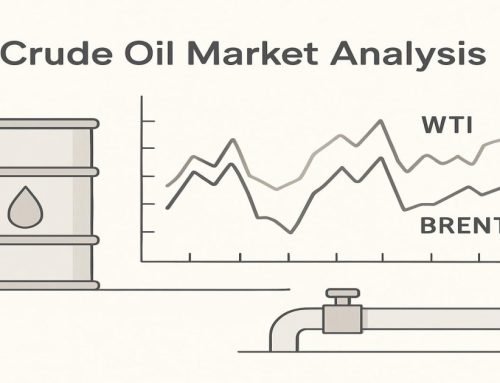
As of March 17, 2026, global oil prices are witnessing an upward trend attributed to rising tensions in the Hormuz Strait, a strategic chokepoint for oil transportation. Brent and West Texas Intermediate (WTI) crude have jumped by approximately 2% today.
What Changed Today
- Geopolitical Tensions: Ongoing disputes near the Hormuz Strait have raised concerns about potential supply disruptions.
- Market Reactions: Traders are responding to these geopolitical risks, leading to increased oil prices.
- Weather Impacts: Recent weather forecasts indicate storms that may affect oil production in the Gulf region.
Market Transmission
The recent shifts in oil prices have broader implications for other market sectors, including:
1. Oil and Commodities
Heightened oil prices typically signal increased costs for producers and consumers alike, impacting inflation rates and economic forecasts.
2. Foreign Exchange (FX) Markets
Firstly, currencies of oil-exporting nations may appreciate against those of importing countries. For example, the value of the Canadian dollar may rise as oil prices climb.
3. Yields and Bonds
A sustained increase in oil prices can influence interest rates. Investors may react by shifting their assets, leading to potential adjustments in bond yields.
4. Gold Prices
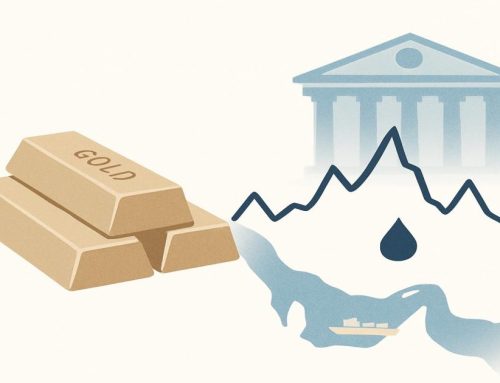
Gold often behaves as a hedge against inflation. As oil prices rise, gold may also see increased demand, driving its price upward.
5. Cryptocurrency Markets
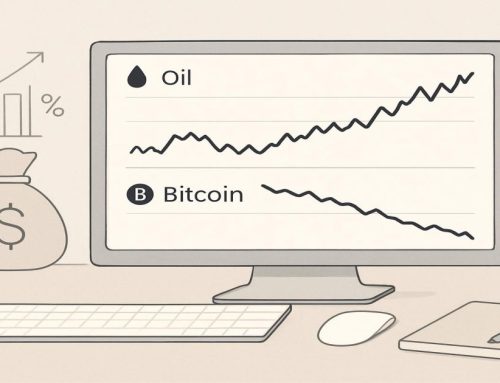
Speculation surrounding oil prices can also affect cryptocurrencies, as investors might turn to alternative assets during periods of volatility.
Beginner Rules for Trading Oil
For those new to trading oil, consider the following guidelines:
- Research and Stay Informed: Keep track of geopolitical news, supply chain issues, and weather forecasts that could impact oil prices.
- Diversify Your Investments: Don’t put all your capital into a single asset. Diversification can mitigate risk.
- Set Clear Targets: Define your entry and exit points before entering a trade to avoid emotional decision-making.
- Use Risk Management Tools: Employ stop-loss and take-profit orders to protect your trading account.
- Follow Technical Analysis: Utilize charts and indicators to make informed trading decisions based on price movements.
What to Watch Next
As you navigate the oil markets, keep an eye on the following:
- Geopolitical Developments: Monitor alerts regarding the Hormuz Strait and surrounding areas.
- Weather Patterns: Weather conditions can influence oil production; stay updated with forecasts.
- Economic Indicators: Pay attention to inflation data and economic growth indicators, which may influence oil demand.
- OPEC Announcements: OPEC meetings can significantly affect oil supply strategies.
- Market Sentiment: Observe social media and news platforms for shifts in trader sentiment.
Conclusion
As oil prices continue to climb amid the Hormuz supply crisis, understanding the factors that influence price movements can equip traders with valuable insights. While uncertainties remain, following structured trading strategies can mitigate risks. For more advanced trading strategies, you can explore the CRT-SEM signals page to gain additional insights tailored for traders.
Disclaimer
This article is for informational purposes only and does not constitute financial advice. Please conduct your own research and consider your personal risk tolerance before making any trading decisions.