Executive View
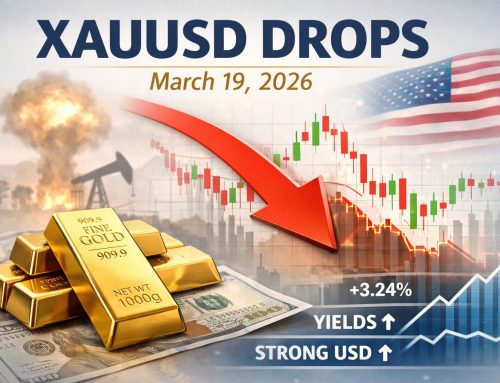
The XAU/USD pair, representing the value of gold against the U.S. dollar, is currently exhibiting a consolidation pattern as traders await further directional cues from the crude oil market. This behavior is typical in conditions where economic uncertainties reign and traders are cautious before making substantial bets.
What Changed Today
- Crude oil prices saw a slight recovery after recent declines, which had a direct impact on correlated markets.
- Gold prices remained stable, with minimal fluctuations given the prevailing caution among traders.
- Shifts in U.S. Treasury yields reflected market sentiment, demonstrating a typical relationship between yields and gold valuation.
Market Transmission: Understanding the Links
The interaction between crude oil and gold is tightly connected within the broader financial ecosystem, which includes foreign exchange (FX), yields, and even cryptocurrencies. Here’s a breakdown of how these elements interconnect:
1. Oil Market and Gold
Crude oil prices influence inflation expectations. Higher oil prices can lead to elevated inflation, triggering a surge in gold demand as a hedge against inflation:
- Current Situation: Fluctuations in oil prices directly affect gold’s status as a secure store of value.
- Traders’ Focus: As crude oil trends upward or downward, the gold market reacts accordingly.
2. Foreign Exchange (FX) Market
The performance of the U.S. dollar plays a crucial role in establishing the price of gold:
- A stronger dollar typically results in lower gold prices.
- Conversely, a weaker dollar tends to bolster gold valuations as it becomes cheaper for foreign investors.
3. Yields and Gold
Interest rates and bond yields are another critical influence:
- Higher yields often lead to reduced gold attractiveness, as opportunity costs increase.
- Current sentiment indicates traders are closely monitoring Federal Reserve signals regarding interest rate adjustments.
4. Cryptocurrency Correlation
In recent months, cryptocurrencies have also begun to emerge as a competing asset class for investors:
- Wider market acceptance of crypto may draw attention away from gold.
- The ongoing digital transformation has investors weighing their portfolios differently.
Beginner Rules for Gold Trading
For those new to trading in gold, here are some guidelines to keep in mind:
- Understand Market Influences: Keep an eye on oil prices, FX trends, and bond yields.
- Diversify Your Portfolio: Avoid putting all your investment in gold. Consider a mix of assets.
- Stay Updated: Follow financial news that impacts gold and its correlated markets.
- Trade with Strategy: Develop a plan before entering the market, including entry and exit points.
- Risk Management: Set stop-loss orders to protect your investments from significant losses.
What to Watch Next
As we look ahead, several factors warrant attention:
- Crude Oil Prices: Watch for any shifts in oil prices that could influence gold.
- U.S. Economic Data Releases: Pay attention to inflation reports and employment statistics.
- Federal Reserve Announcements: Look for indications regarding interest rates and monetary policy.
- Foreign Market Trends: Monitor global economic growth and trade conditions.
Conclusion
In conclusion, the XAU/USD pair’s current coiling pattern reflects the cautious sentiment among traders keen to glean insights from the crude oil market. Understanding the interconnectedness of these assets and monitoring economic data will be essential for making informed trading decisions. Always remember to develop a clear trading strategy and manage risks effectively.
For more trading insights and strategies, consider visiting our CRT-SEM signals page to stay updated with market dynamics.
Disclaimer
This article is for informational purposes only and should not be considered financial advice. Please conduct your own research and assess your risk tolerance before making any investment decisions.