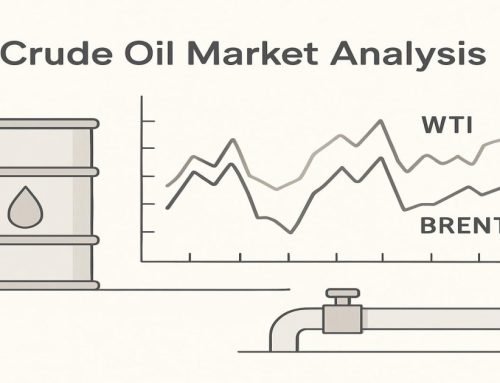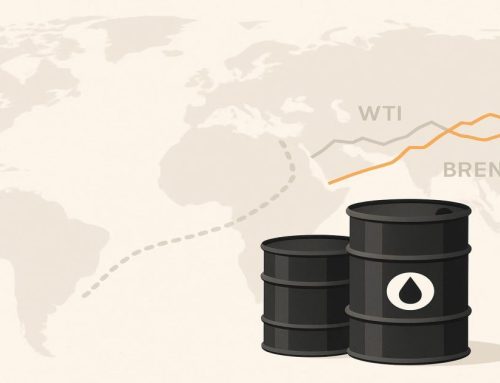
Bitcoin weakened while oil surged after reports that Russia, China, and France blocked a UN resolution tied to the Strait of Hormuz. The headline matters, but the market driver is not diplomacy by itself. The dominant macro force is an inflation shock: when energy supply risk rises, markets quickly reprice inflation, policy expectations, and risk appetite. That is why bitcoin can fall at the same time oil rises.
Executive View
The real driver today is not the UN process; it is the market’s repricing of energy-driven inflation risk. A jump in oil raises the probability that inflation stays firmer than expected, which tightens financial conditions through yields, the dollar, and lower risk tolerance. In that setup, bitcoin trades less like an inflation hedge in the short run and more like a high-beta risk asset exposed to macro de-risking. The regime is therefore best understood as Inflation shock led by Oil.
What Changed Today
Two developments mattered.
- Oil repriced sharply higher on the view that diplomatic blockage around Hormuz increases the chance of prolonged disruption risk in a critical energy corridor. Markets do not need an actual closure to react; they only need a higher probability of tighter supply or more expensive insurance, transport, and inventory behavior.
- Bitcoin sold off as macro desks shifted into a defensive read of the event. That matters because it confirms the market is treating this as a broad inflation and risk event, not as a crypto-specific development.
Why this matters: once oil becomes the shock variable, it transmits into inflation expectations first, then into rates and FX, and only then into high-beta assets. Traders who focus only on the crypto headline miss the order in which macro pressure actually moves through markets.
Market Regime
Current regime: Inflation shock
Dominant driver: Oil
This is not primarily a growth scare yet, and it is not a pure risk-off episode led by credit stress or banking problems. The market is responding to a potential energy supply constraint. That matters because oil is one of the few macro variables that can simultaneously pressure inflation expectations, central-bank reaction functions, and household/business cost structures.
In an inflation-shock regime led by oil:
- Markets tend to price a slower path to easier policy.
- Real and nominal yields can face upward pressure, depending on how aggressively inflation is repriced.
- The dollar often finds support as global risk appetite deteriorates and imported energy costs rise.
- High-duration and high-beta assets usually struggle first.
That is the framework needed to understand why bitcoin dropped while oil rallied. The moves are not contradictory. They are consistent with a single macro driver.
Market Transmission
The clean cause-and-effect chain is straightforward:
- Geopolitical friction raises perceived supply risk around Hormuz.
- Oil jumps because markets price a higher probability of disrupted flows, higher shipping risk, or tighter precautionary inventories.
- Higher oil feeds inflation expectations. Energy is both a direct consumer input and an indirect cost driver across transport, manufacturing, and services.
- Markets reduce conviction on near-term policy easing. If inflation risk rises, central banks have less room to become dovish quickly.
- Financial conditions tighten through yields and the dollar.
- Risk assets reprice lower. Bitcoin, equities with long-duration characteristics, and other high-beta exposures face selling pressure.
The key point is that bitcoin is downstream in this chain. It is not the primary macro variable today. Oil is. When traders invert that hierarchy, they usually misread the move.
Key Levels / Triggers
- Whether oil holds its breakout behavior rather than immediately retracing the event premium
- Whether bond markets continue pricing firmer inflation risk instead of fading the shock
- Whether the dollar strengthens alongside energy, confirming tighter financial conditions
- Whether bitcoin underperforms broader risk assets, signaling macro de-risking rather than isolated crypto weakness
- Whether official communication points to shipping security, sanctions risk, or de-escalation
The Retail Trap
Retail traders usually get three things wrong in this setup.
- They trade the headline, not the regime. Seeing a geopolitical headline, they assume the first move is emotional and should be faded immediately. That is dangerous when the shock changes inflation pricing rather than just sentiment.
- They assume bitcoin must benefit from instability. In practice, bitcoin often behaves like a liquidity-sensitive, high-beta asset in the short run. If oil is pushing inflation expectations higher, that is usually a headwind before any longer-term narrative takes over.
- They ignore cross-asset confirmation. If oil is up, the dollar is firm, and rates are not easing, buying crypto dip-by-default is not a macro trade; it is a hope trade.
Why they lose money: they enter too early, usually against an incomplete repricing process. In inflation shocks, markets often need time to decide whether the move is temporary event premium or a more persistent macro repricing. Jumping in before that distinction is visible creates poor trade location and weak risk-reward.
Beginner Rules
- Do not trade the first impulse if you cannot verify the cross-asset message. Oil alone is not enough. You want to see whether yields and the dollar align with the move.
- Do not buy bitcoin just because it is down on a geopolitical headline. In this regime, weakness can be macro-consistent, not irrational.
- Wait for confirmation. Confirmation looks like one of two things: either oil starts fading and rates/USD stop tightening, or risk assets stabilize while oil loses momentum. Without that, the inflation-shock pressure is still active.
- When not to trade: if headlines are changing by the hour, if oil is gapping while other markets are still catching up, or if you cannot identify whether the move is supply-risk repricing or simple event noise.
- Trade the driver, not the opinion. If oil remains the dominant variable, structure trades around that regime instead of forcing a crypto-only narrative.
- Keep time horizon consistent. A macro shock can pressure bitcoin intraday and still leave the broader medium-term thesis intact. Do not mix a short-term risk trade with a long-term conviction position.
For broader market context, traders can review ongoing macro notes on the CRT-SEM blog. For active setups once confirmation appears, the CRT-SEM signals page is the right place to monitor execution-grade updates.
What to Watch Next
- Oil follow-through: does the market keep pricing supply risk, or does the event premium fade quickly?
- Rates response: are bond markets pricing stickier inflation and less policy easing?
- Dollar reaction: sustained firmness would confirm tighter global financial conditions.
- Official statements on Hormuz security: any credible de-escalation can unwind part of the shock.
- Bitcoin relative performance: if it continues lagging even as broader sentiment steadies, macro sellers are still in control.
Conclusion
Today’s move is best understood through one lens: oil-driven inflation shock. As long as energy remains the dominant macro driver, bitcoin and other high-beta assets are vulnerable to tighter financial conditions and lower risk tolerance. For traders, the edge is not in reacting to the headline fastest, but in identifying whether oil keeps controlling the regime before stepping in. For execution-focused follow-up, monitor the CRT-SEM signals page.