Executive View
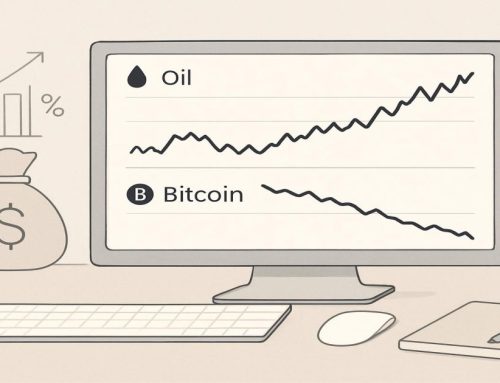
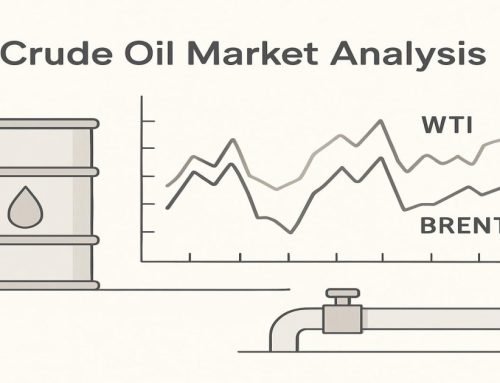
The dominant driver is oil-led inflation shock, not geopolitics by itself. The Strait of Hormuz matters because any disruption risk in a critical energy corridor can reprice inflation expectations, and that changes how markets interpret the Federal Reserve’s next move. Gold does not trade on fear alone in this regime: it trades through the interaction between higher inflation, changing real-yield expectations, and the US dollar. The key question is not whether headlines sound dangerous, but whether the oil move is large and persistent enough to delay easing and reshape the rates path.
What Changed Today
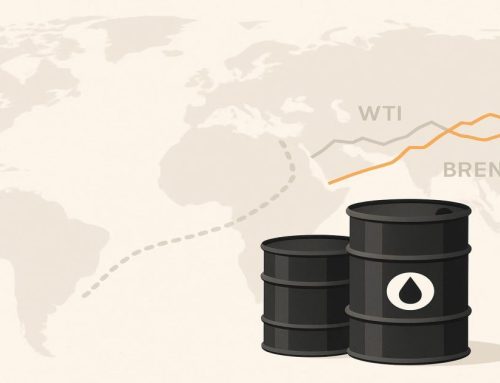
The meaningful development is the market’s renewed focus on supply risk tied to the Strait of Hormuz and the resulting repricing in energy-sensitive inflation expectations. That matters because oil is one of the fastest transmission channels from geopolitics into macro pricing: when crude rises on supply risk rather than demand strength, central banks face a harder trade-off. For gold, this is not automatically bullish. A temporary fear bid can support bullion, but if markets start pricing a more cautious Federal Reserve because higher energy costs threaten to keep inflation sticky, the rise in real yields and a firmer dollar can offset or even overwhelm the safe-haven impulse.
Key levels / triggers
- Whether oil’s move holds for more than a headline cycle
- Whether rate-cut expectations are pushed further out
- Whether US real yields extend higher rather than merely bounce
- Whether gold holds after the geopolitical impulse fades
- Whether the USD strengthens alongside higher inflation expectations
Market Regime
The current regime is Inflation shock. The dominant driver is Oil.
This distinction matters. In a pure risk-off regime, gold can rally cleanly as investors seek safety. In an inflation shock regime, the sequence is more complicated: higher oil raises inflation expectations, markets reassess the Federal Reserve, nominal and real yields can move higher, and the dollar may strengthen. Gold then faces two competing forces: safe-haven demand on one side, tighter policy expectations on the other. Right now, the oil channel is the cleaner macro anchor because it is the variable capable of shifting both inflation pricing and the Fed reaction function.
That is why traders should avoid treating this as a simple geopolitical panic trade. The market is not asking only whether tensions are rising. It is asking whether an energy shock will be persistent enough to alter policy expectations. If the answer is yes, gold’s path becomes much less straightforward than the headline narrative suggests.
Market Transmission
The transmission chain is clear:
- Supply risk around Hormuz rises -> oil prices move higher because traders price tighter energy supply conditions.
- Higher oil feeds inflation expectations -> markets become less confident that disinflation will continue smoothly.
- Inflation uncertainty affects the Fed path -> markets price slower easing or a longer hold in restrictive policy.
- Fed repricing lifts real yields and often supports the USD -> the opportunity cost of holding non-yielding gold rises.
- Gold reacts to the balance of forces -> safe-haven buying supports it, but higher real yields and a firmer dollar can cap or reverse the move.
This is the critical framework for understanding why gold sometimes fails to rally even when the geopolitical backdrop deteriorates. Retail traders often stop at the first link in the chain—conflict equals gold up. Institutional markets price the entire sequence. If oil rises but bond markets respond by pricing a tougher Fed stance, gold can underperform the emotional narrative.
There is also an important time dimension. Short-term, gold can benefit from uncertainty and hedging demand. Medium-term, the market usually asks whether the shock is inflationary enough to keep policy tighter for longer. The more persistent the oil shock, the more likely the rates and dollar channel dominates. If the oil move fades quickly, the safe-haven bid can remain intact because the policy repricing never fully develops.
That is why traders should watch cross-asset confirmation rather than gold in isolation. If crude is holding higher, Treasury markets are pricing a more restrictive path, and the USD is firm, gold upside becomes more fragile. If crude spikes but then retraces while the Fed path remains unchanged, gold can resume trading more like a defensive asset than an inflation casualty.
The Retail Trap
The retail mistake here is confusing a headline shock with a durable macro regime shift. Many traders see Middle East tension and buy gold immediately, assuming the trade is obvious. They lose money because they ignore the second-order effects: oil can turn a geopolitical story into an inflation story, and inflation can change rates pricing faster than fear can support bullion.
The second trap is trading one chart without confirming the macro link. Gold is not independent in this environment. If traders do not monitor oil, real yields, and the dollar, they are effectively trading blind. A move in gold that looks bullish on the surface can simply be a temporary hedge bid before rates markets reassert control.
The third trap is chasing the first impulse candle. In inflation shock regimes, the first move is often the least reliable. Markets initially react to the headline, then reassess once policy implications become clearer. Retail traders often enter at the point of maximum emotional intensity and get caught when the market rotates from fear pricing to rates pricing.
Beginner Rules
- Do not trade gold from the headline alone. Wait for confirmation from oil, the USD, and Treasury yields.
- Do not trade when the move is purely event-driven and unconfirmed. If oil spikes but quickly fades, the macro signal is weak.
- Confirmation looks like alignment. Persistent strength in oil, firmer inflation expectations, and a rates market that prices a less dovish Fed are the signs that the regime is real.
- If gold rises while real yields and the USD also rise, reduce conviction. That usually signals conflicting forces rather than a clean trend.
- Do not enter after the first emotional expansion. Let the market show whether it is repricing policy or merely reacting to headlines.
- When not to trade: during unsustained geopolitical spikes, during conflicting cross-asset signals, or when you cannot identify whether oil or policy is the dominant driver.
What to Watch Next
- Whether disruption risk around the Strait of Hormuz escalates into a sustained oil supply narrative
- Whether markets price fewer or later Federal Reserve cuts
- Whether US real yields continue to rise after the initial geopolitical reaction
- Whether the USD strengthens alongside higher oil, confirming inflation-shock conditions
- Whether gold holds gains after the first fear bid fades
Conclusion
The trajectory of gold is not being rewritten by geopolitics alone; it is being tested by an oil-driven inflation shock and the Fed repricing that follows. If higher energy costs persist, the rates-and-dollar channel can matter more than the safe-haven story. For more regime-based trade mapping, see the CRT-SEM blog and our signals page.