Executive View
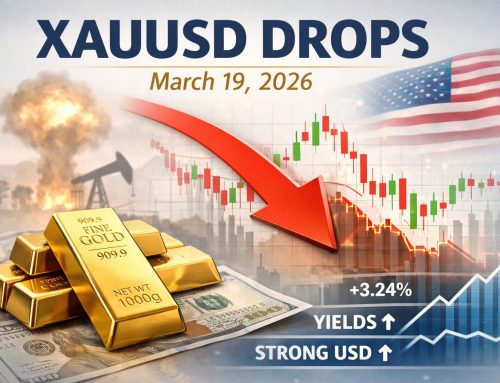
The gold market is at a critical juncture as prices test the psychological support level of $5,000. Investors and traders alike are monitoring the situation closely, particularly with upcoming comments from Federal Reserve Chairman Jerome Powell that could influence market sentiment. Understanding the factors driving gold prices and other related assets is essential for making informed trading decisions.
What Changed Today
- Gold prices have reached a key support level at $5,000 per ounce, prompting a strong focus on potential Federal Reserve policy changes.
- Market sentiment has been affected by global economic uncertainty, pushing investors toward safe-haven assets like gold.
- Oil prices have shown volatility, impacting inflation expectations and overall market dynamics.
Market Transmission
The relationship between gold prices and other financial assets is complex and interconnected. Here’s a breakdown of current dynamics:
Gold (XAU)
Gold has consistently been viewed as a safe haven. Recent fluctuations suggest that if gold holds above the $5,000 mark, this could indicate bullish momentum. However, a breakdown below may trigger further sell-offs.
FX Market
The U.S. dollar plays a significant role in determining gold prices. A stronger dollar generally inversely correlates with gold prices, making dollar strength a factor worth monitoring.
Yields
Government bond yields, particularly U.S. Treasuries, have been climbing in response to inflation fears, further complicating the gold outlook. Typically, rising yields decrease gold’s appeal as they provide safer interest yields.
Oil Prices
Oil prices have seen significant fluctuations recently; any large swings can impact inflation, which in turn can impact gold demand as a hedge against inflation.
Cryptocurrency Correlation
Sparked interest in cryptocurrencies can divert funds away from traditional safe havens like gold. However, as regulations evolve, the relationship may further shift.
Beginner Rules for Trading Gold
- Understand Market Sentiment: Assess both geopolitical and economic indicators that can influence gold.
- Follow Key Levels: Monitor significant support and resistance levels ($5,000 as the current support) to make your trading decisions.
- Diversify Your Portfolio: Consider including other asset classes to hedge against gold’s volatility.
- Use a Reliable Trading Strategy: The CRT-SEM strategy may be beneficial. For a detailed guide, [click here](https://crt-sem.com/blog/how-to-use-crt-sem-signals-step-by-step-beginner-guide/).
- Stay Informed: Keep an eye on Federal Reserve announcements and global economic news that could affect market conditions.
What to Watch Next
- Watch for comments from Fed Chairman Jerome Powell regarding future interest rates and economic outlook.
- Monitor the movement of oil prices and any implications they may have on inflation.
- Keep an eye on the U.S. dollar index, as a stronger dollar may affect gold prices.
- Observe global geopolitical developments, which could lead to fluctuations in demand for gold as a safe haven.
- Review yields on U.S. Treasury bonds for indications of changes in market sentiment.
Conclusion
As investors navigate the complexities of the gold market, understanding the interplay of various financial indicators is crucial. With gold testing the $5,000 support level and potential volatility on the horizon due to Federal Reserve insights, traders should remain cautious yet informed. For more insights and trading strategies, explore our resources on [CRT-SEM signals](https://crt-sem.com/blog/signal/) and stay updated with market trends.
Disclaimer
This article is for informational purposes only and does not constitute financial advice. Always conduct your own research and consider your financial situation before trading.