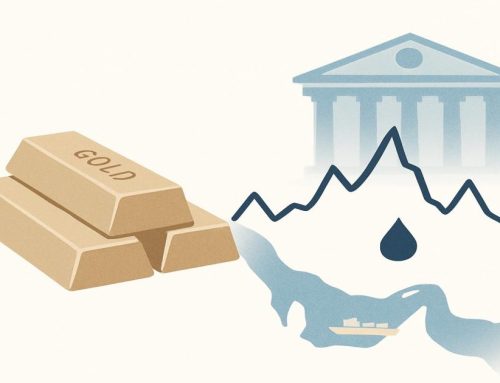
This week is a classic “macro collision”: headline-driven energy risk meets hard data that can reprice the dollar, yields, and gold in a single session. S&P Global’s week-ahead note flags that markets are still focused on the Middle East, but the key distraction (and trigger) is US inflation data (CPI) and the Fed’s preferred PCE, plus an updated read on US growth via Q4 GDP (second estimate).
If you trade XAUUSD, this is the kind of week where the best trade is often the one you don’t take—until the market shows its hand.
The 30-second institutional lens (beginner-friendly)
Most big moves this week will come from one question:
Does new data push the market toward “higher-for-longer” (USD up, yields up) or “cuts are back” (USD down, yields down)?
Gold reacts to that filter first, and headlines second.
The 3 volatility triggers to keep on your screen all week
1) The USD “stress bid”
When geopolitical risk flares, the USD can become the first safe haven, especially if oil spikes and inflation fear returns. Reuters is already framing the oil shock as a real test for broader markets.
Beginner rule: If USD is trending hard, gold rallies can be fragile.
2) Real yields and rate expectations
CPI and PCE can move rates fast. If yields pop after CPI, gold often gets capped even if the news cycle is scary.
3) Oil as the “macro amplifier”
Oil above key psychological levels can revive inflation fears and raise “stagflation” chatter (bad for risk assets, mixed for gold depending on USD/yields).
The calendar that matters (with the why)
Wednesday: US CPI (February) — the week’s main trigger
BLS schedules February 2026 CPI for Wednesday, March 11, 2026 at 8:30 AM ET.
How it moves markets
-
Hotter CPI → yields up → USD up → gold often pressured/whippy
-
Cooler CPI → yields down → USD softer → gold often cleaner bid
What to watch (institutional tells)
-
First 5 minutes = noise.
-
Watch whether the second move confirms (30–90 minutes after release).
Friday: Core PCE (January) + US GDP (Q4, 2nd estimate) + sentiment
S&P Global’s diary highlights Friday as heavy: Core PCE, GDP second estimate, plus personal income/spending, durable goods, and U. Michigan sentiment.
Why Friday matters
Markets can “reverse the week” on Friday if CPI caused an overreaction. If CPI spikes volatility midweek, Friday often decides whether it was a regime change or just a headline candle week.
Other data that can surprise cross-asset flows
S&P Global also flags UK monthly GDP, Eurozone industrial production, and China inflation updates as part of the broader macro pulse.
The “institutional playbook” for retail traders
1) Separate event candle from trend confirmation
CPI creates a violent first move. Institutions look for:
-
Acceptance (price holds above/below a key level after the spike)
-
Retest (pullback that respects the level)
If you can’t point to those, you’re trading emotion.
2) Trade the reaction, not the number
Two CPI prints can be identical, yet markets react differently depending on positioning and oil/war headlines. This week, that overlay matters.
3) Assume spreads + slippage are worse
On CPI weeks, the market’s “hidden cost” rises. Smaller size beats a bigger opinion.
Beginner rules (simple, strict, profitable)
-
Don’t chase the CPI candle. Wait for a retest.
-
If USD + yields surge together, be cautious with longs on gold.
-
If oil spikes again, expect whipsaws in gold and crypto (risk-off + inflation mix).
Quick “if/then” map for XAUUSD (useful all week)
-
IF CPI surprises hot AND yields keep rising into the next session → gold often drifts lower or chops.
-
IF CPI cools AND USD fades → gold often trends cleaner.
-
IF CPI is mixed but oil headlines worsen → expect range violence (best traders wait).
This is not a financial advice.