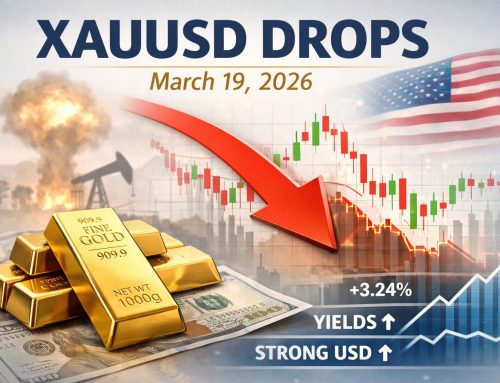
Gold Price Today: MCX Gold Drops Over 1% as Fed Rate Cut Expectations Fade Amid Rising Oil Prices
Executive View
Today’s movements in gold prices highlight a complex interplay of economic indicators and market sentiments. The recent decline of over 1% in MCX gold suggests shifting expectations regarding Federal Reserve policies and the influence of rising oil prices. Understanding these dynamics is crucial for traders looking to navigate the current market effectively.
What Changed Today
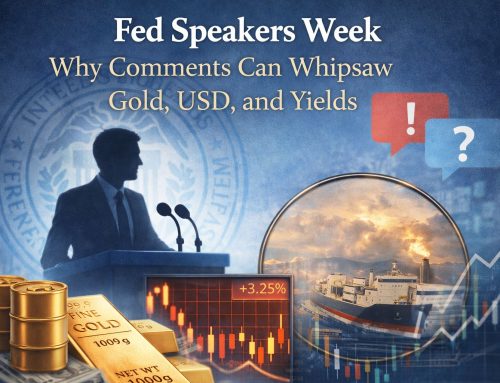
- Fed Rate Expectations: Recent statements from Fed officials signal a likely pause in rate cuts, impacting gold prices negatively.
- Oil Prices: The rise in oil prices has implications for inflation and overall economic outlook, which further pressures gold as a safe-haven asset.
- Market Sentiment: As risk appetite shifts, investors may prioritize equities over commodities.
Market Transmission
This section analyzes the interconnectedness of various asset classes and their influence on gold prices:
Oil Prices
The correlation between rising oil prices and inflation expectations often leads to a softer demand for gold. As oil prices increase, concerns about economic growth can surface, altering investor behavior.
Currency Exchange Rates (FX)
The strength of the US dollar typically inversely affects gold prices. As the dollar strengthens due to rising bond yields or Fed policies, gold becomes more expensive in foreign currencies, which can depress demand.
Bond Yields
With expectations of prolonged interest rates, yields on bonds tend to rise. Higher yields offer better returns compared to gold, which does not yield interest, thus affecting its attractiveness.
Cryptocurrency Markets
Increased activity and investments in cryptocurrencies can divert funds away from traditional gold investments, especially among younger traders.
Beginner Rules for Trading Gold
For those new to gold trading, here’s a concise checklist:
- Understand Market Influences: Keep an eye on economic indicators like inflation, interest rates, and geopolitical events that often influence gold prices.
- Set Clear Goals: Determine whether you are trading for short-term gains or long-term investment.
- Use Stop-Loss Orders: Protect yourself from significant losses by setting stop-loss limits on your trades.
- Diversify Your Portfolio: Don’t put all your investments in gold. Use it to diversify against other assets.
- Stay Informed: Regularly follow major financial news outlets and reports for updates on market movements.
What to Watch Next
As the trading week progresses, keep an eye on the following:
- Upcoming economic data releases related to inflation and employment.
- Statements from Fed officials regarding interest rate policies.
- Trends in oil prices and their broader economic implications.
- Forex market movements that could impact gold valuations.
Conclusion
The current fluctuations in gold prices reflect significant underlying economic factors. Understanding these relationships will empower traders to make informed decisions. As sentiment continues to evolve, maintaining a close watch on these developments will be crucial for anyone involved in gold trading.
If you are interested in more advanced trading strategies, consider exploring the CRT-SEM signals page for insights tailored to your trading journey.