Executive View
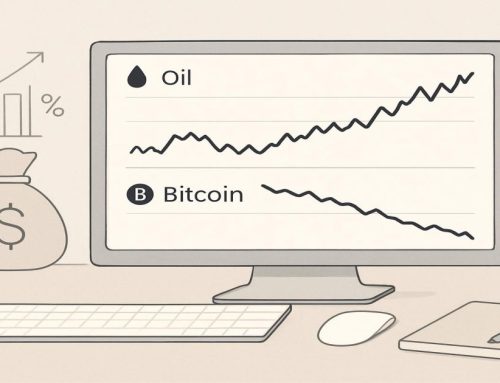
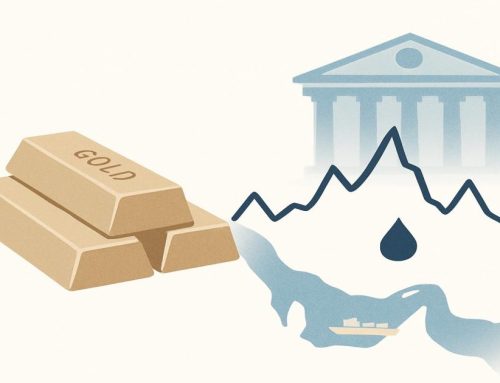
As inflation fears resurface due to a significant spike in oil prices, gold has experienced a modest decline in value. Investors often turn to gold as a hedge against inflation, but the dynamics of the oil market and accompanying economic indicators are reshaping market sentiment. Understanding these developments is crucial for navigating the current investment landscape.
What Changed Today
Recent trading sessions have shown fluctuations in gold prices influenced by several factors:
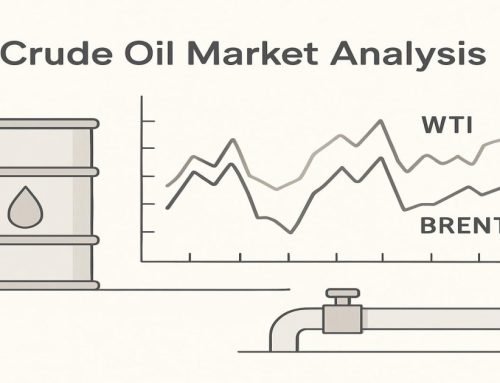
- Oil Prices: Brent Crude and WTI have seen sharp increases, causing concern about heightened inflation.
- Market Sentiment: Reflecting a cautious approach, investors are reassessing their positions in response to the oil price spike.
- Currency Movements: The U.S. dollar showed strength, impacting gold as it’s often inversely correlated.
- Interest Rates: Yields on bonds have adjusted, affecting investor allocations between gold and other financial instruments.
Market Transmission
The interaction between oil prices and various financial markets can be complex. Here’s how a spike in oil prices influences other assets:
1. Oil Market
- Rising crude oil prices typically indicate inflationary pressures, prompting investors to seek gold as a safe haven.
- Energy costs impact consumer spending, potentially affecting economic growth.
2. Currency Exchange Rates
- Higher oil prices often strengthen the U.S. dollar due to demand for dollar-denominated oil.
- A stronger dollar makes gold more expensive for international investors, leading to a decrease in demand.
3. Bond Yields
- With rising inflation expectations, bond yields tend to rise. Higher yields make bonds more attractive compared to gold.
- Check for yield shifts as they may signal changes in investment preferences between asset classes.
4. Cryptocurrency
- The crypto market sometimes mirrors gold as a hedge against inflation, though its volatility can deviate significantly.
- Monitor crypto movements as they may reflect short-term investor sentiment toward traditional assets like gold.
Beginner Rules
For those new to investing in gold, consider the following guidelines:
- Diversify Investments: Do not concentrate solely on gold; include a variety of asset classes.
- Stay Informed: Keep an eye on oil prices and inflation reports that may influence gold prices.
- Understand Market Dynamics: Know how changes in the FX markets and bond yields can affect gold prices.
- Long-Term vs. Short-Term: Determine whether you’re investing for the long haul or seeking short-term gains.
- Use Stop-Loss Orders: Protect your investments by setting stop-loss orders on trades.
What to Watch Next
As you navigate the evolving market conditions, focus on the following:
- Upcoming inflation reports and economic data releases.
- Trends in oil prices and any geopolitical developments that may affect them.
- Market responses to Federal Reserve statements regarding interest rates.
- Currency fluctuations, particularly in relation to the U.S. dollar.
- Changes in bond yields and their implications for gold and other asset classes.
Conclusion
The interplay of oil prices and inflation concerns is currently driving gold prices lower, reflecting broader market sentiments. Staying informed about these dynamics and adhering to fundamental investing principles can help beginners navigate this complex landscape. For more insights and trading signals, visit the CRT-SEM signals page.