Executive View
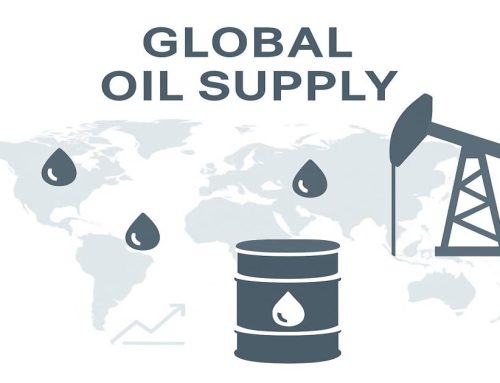
The Strait of Hormuz is a pivotal passage for global energy transportation, with an estimated 20% of the world’s oil passing through it. Recent discussions from Iran regarding a ‘China-only’ reopening strategy have brought renewed significance to this geographical choke point. Understanding the implications of these developments can provide valuable insights for market participants.
What Changed Today
In the latest developments, Iranian officials announced that they are considering reopening the Strait of Hormuz for trade under terms exclusively favorable to China. This shift appears to be influenced by Tehran’s strategic alignment with Beijing amid ongoing sanctions and pressured diplomatic relations with Western countries. This move signals a potential change in the flow of oil and energy resources, affecting not only regional dynamics but also global markets.
Market Transmission
The potential reopening of the Strait of Hormuz under ‘China-only’ terms could significantly impact multiple markets:
Oil Market
- The balance of supply and demand might shift, particularly in Asian markets.
- Geopolitical risks could affect pricing as concerns about disruptions fluctuate.
Foreign Exchange (FX)
- Increased oil prices could strengthen currencies of oil-exporting countries.
- The Chinese Yuan may gain traction as trade partners adjust commodity transactions.
Yields
- Rising energy prices could lead to higher bond yields as inflation expectations rise.
- Markets might reassess risk appetites, influencing government bond demand.
Gold
- Gold prices may increase as investors seek safe-haven assets amidst uncertainty.
- Inflation concerns fueled by rising energy costs could drive demand for gold.
Cryptocurrency
- Increased volatility in traditional markets could lead to higher interest in crypto assets.
- Geopolitical tensions may result in speculative trading patterns among cryptocurrencies.
Beginner Rules
- Diversify: Don’t put all your capital in one market. Explore various assets like oil, gold, and cryptocurrencies.
- Stay Informed: Follow news on geopolitical developments as they can have immediate market repercussions.
- Monitor Oil Prices: Keep an eye on fluctuations in oil prices, as they often set the tone for broader market movements.
- Utilize Stop-Loss Orders: Protect your investments from unexpected market shifts with stop-loss orders.
- Research Currency Trends: Understanding FX market dynamics will help in making informed trading decisions.
What to Watch Next
- Iran-China Negotiations: Monitor any official statements or agreements emerging from discussions.
- Global Oil Prices: Track movements in Brent and WTI crude prices for indications of market sentiment.
- US Sanctions and Policy Changes: Follow any updates regarding US-Iran relations and their potential impact on oil supply.
- Currency Trends: Pay attention to how the Chinese Yuan and other regional currencies respond to shifts in trade agreements.
- Market Sentiment: Assess overall market sentiment through indicators like the VIX and other volatility indices.
Conclusion
The evolving situation concerning Iran’s terms for the Strait of Hormuz could have far-reaching implications for various markets. Understanding the interplay between geopolitical developments and market responses is vital for traders and investors alike. As this narrative unfolds, keeping an eye on key indicators and developments will enhance decision-making processes.
For more insights and market signals, consider visiting our signals page at CRT-SEM Signals.